APPLY
APPLY GIVE
GIVE CHALLENGE


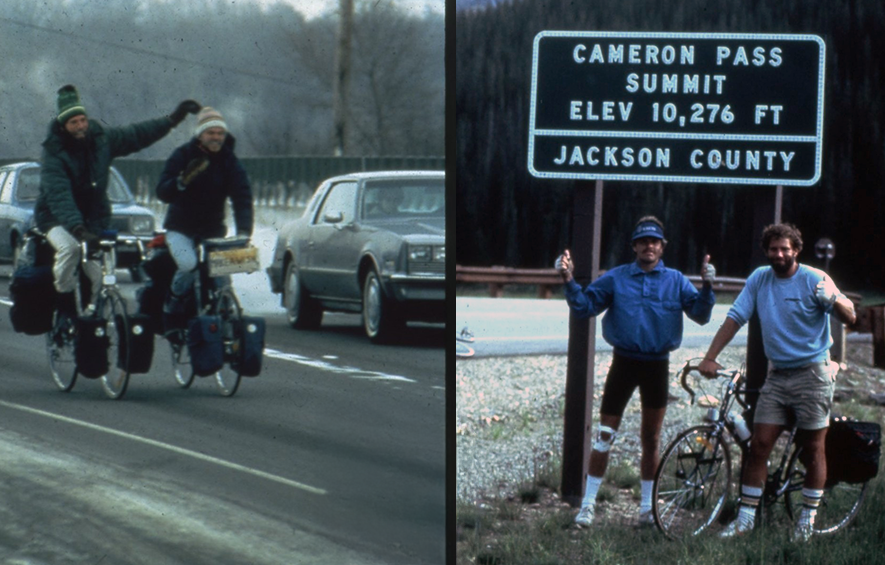
In 1982, Make-A-Wish was a fledgling organization, only a year old and not widely known. That’s when Ken Rogers and Steve Anderson decided to devote the next six months of their lives to raising awareness of the nonprofit by bicycling through the lower 48 states.
The inspiration for their act of kindness was an interview conducted by Dick Pomerantz, a radio talk show host on KSTP in Minneapolis. Pomerantz interviewed the Arizona mother of a seven-year-old boy with leukemia who wanted to be a “cop for a day” and the Phoenix law enforcement officer who made the wish come true shortly before the youngster died. It was the wish that launched the charity.
According to Pomerantz, “The interview became an emotional event. People flooded the station with calls, expressing gratitude for the officer.” The host remembers asking “Why can’t we make wishes come true here?” The show caught the attention of the two cyclists.
By February of 1983, Rogers and Anderson had logged more than 10,000 miles and traveled through 901 towns, inspiring local Make-A-Wish chapters along the way. They were Johnny Appleseeds for the organization that is now a household name from coast to coast.
Rogers and Pomerantz will share their story, with photos of the journey that captured the attention of the nation, on October 1 at 6:30 p.m. in the Meagher Theatre. The program, which includes an audience Q&A, is free and open to the public.
The two cyclists coordinated their quest with KSTP and Pomerantz, calling the host every Friday at 11 a.m., often from a phone booth in a small town. They also spoke with local media along the way, generating awareness of and pledges for the Make-A-Wish concept everywhere they went.
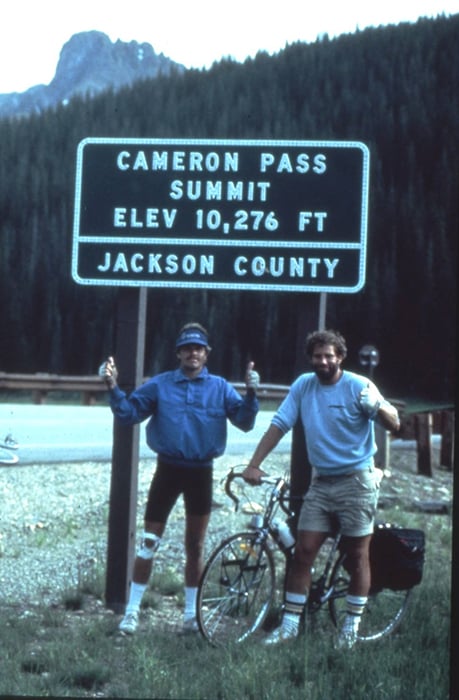
Anderson and Rogers, reaching the summit of a mountain pass in state #5, Colorado.
“I graduated from college in 1977 and got a job selling office supplies,” Rogers recalls. “I was successful, but I wasn’t making a difference.”
With a worthy cause to fuel their commitment, Rogers and Anderson quit their jobs and set out to spread the word about the movement to fulfill the wishes of critically ill children. They paid their own way and regularly accepted the generosity of compassionate folks who offered food and lodging.
They had no training before they left. Rogers admits that he didn’t own a bicycle until five days before he and Anderson hit the road.
The two friends accomplished their impressive feat in a pre-digital age. Cell phones, GPS, digital maps, and social media didn’t exist. But they were “influencers” before the term was invented. Their ride funded the organization's first five wishes and helped put the new nonprofit on the map.
In 2007, Rogers published Pedaling on Purpose, a 421-page narrative of their grueling journey.
“It reads like a movie,” says Pomerantz, a longtime resident of Westtown Township. “It’s a timeless story about doing something that’s more important than yourself. And it changed the world.”
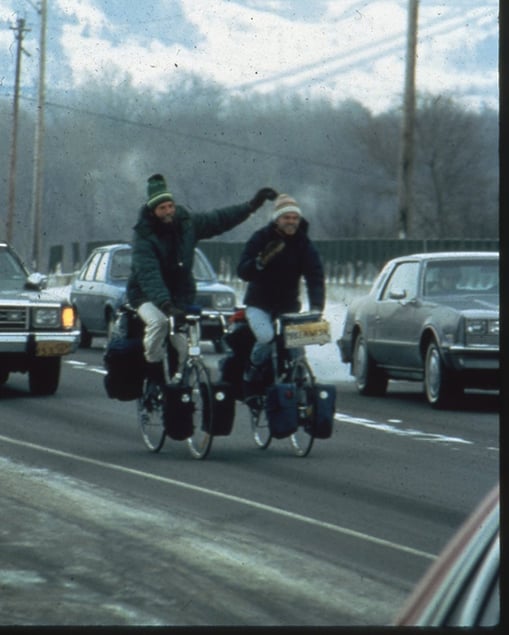
Returning home to state #48, Minnesota, they were met by a throng of supporters.
Rogers and Pomerantz accepted an invitation to speak at Neumann, the cyclist says, “to encourage more people to be their best selves.”
The journey made him feel resilient, fulfilled, and at peace. It taught him “to love your neighbor, cut people some slack, and have more grace,” a message as compelling today as it was in 1982.
The Make-A-Wish national office is based in Phoenix, where the organization was established. Chapters throughout the United States serve every community across the nation and its territories.
The movement has granted more than 650,000 wishes.