APPLY
APPLY GIVE
GIVE CHALLENGE


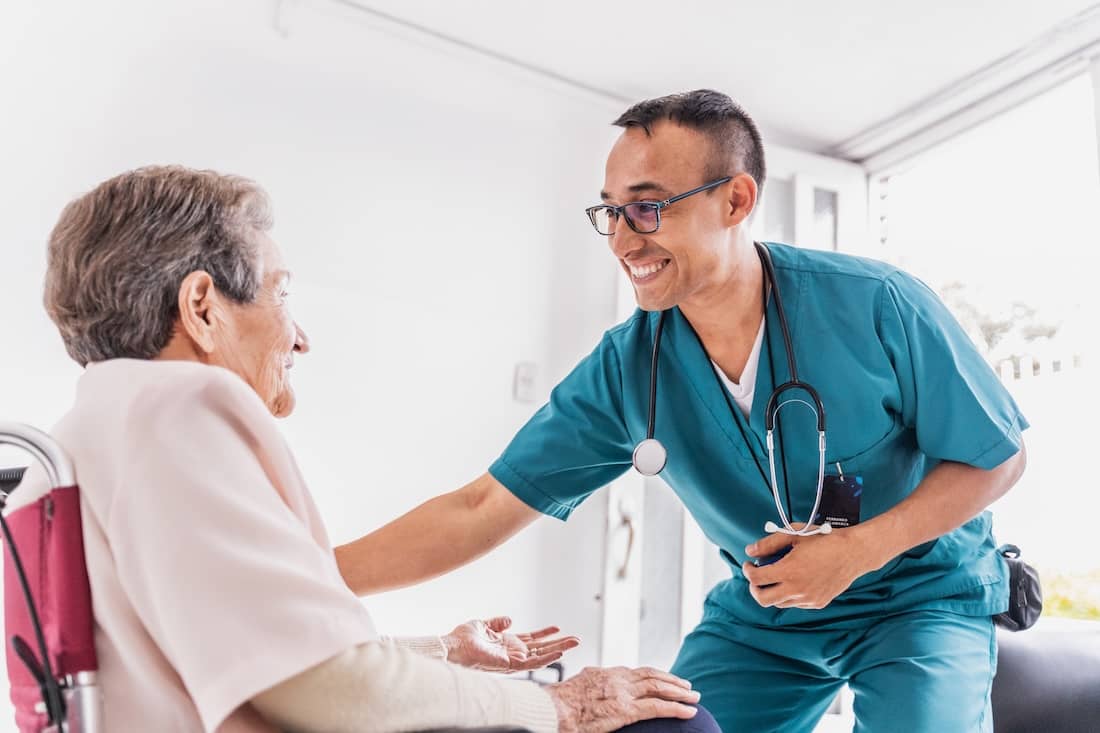
Image Credit: Getty Images
In high-acuity care settings, patient outcomes rely on seamless teamwork. An adult gerontology acute care nurse practitioner (AGACNP) is an advanced practice nurse who cares for acutely and critically ill adults. Through a collaborative approach, they help ensure timely, comprehensive patient-centered treatment.
AGACNPs Work as Part of a Team, Not in Isolation
Acute care is inherently collaborative, with patients in high-acuity environments often requiring input from multiple clinicians working simultaneously to address evolving conditions. Effective care depends on continuous communication, as well as coordinated decision-making and shared accountability across disciplines. Within this framework, AGACNPs function as integral members of a broader healthcare team dedicated to patient outcomes.
Acute Care Depends on Shared Clinical Responsibility
Acute and critical care patients frequently present with complex conditions that can change rapidly. Meeting their needs requires coordinated contributions from physicians, nurses, specialists, pharmacists, therapists, and other professionals. Shared clinical responsibility helps ensure that assessments and interventions are aligned and responsive to changing patient circumstances.
The AGACNP Role Is Built Around Team-Based Practice
AGACNPs apply advanced nursing expertise to environments where collaboration is essential. Their work relies on ongoing teamwork with care team members, participation in clinical decision-making, and coordination across disciplines. Rather than operating independently, AGACNPs contribute within structured teams that support efficient, patient-centered acute care.
Communication Is One of the Most Important Parts of the Role
Strong communication helps keep acute care nurses and teams aligned in fast-paced clinical environments. AGACNPs interact with multiple team members throughout the day, sharing information, coordinating priorities, and helping ensure that care decisions are implemented properly.
Communicating with Physicians and Specialists
AGACNPs work with physicians and consulting specialists to support informed clinical decision-making. They are often responsible for:
- Providing updates on patient status
- Reporting changes in condition
- Reviewing diagnostic findings
- Clarifying treatment plans
These exchanges help ensure all providers have current information when evaluating care options.
Communicating with Nurses and Other Frontline Team Members
Bedside nurses and frontline care staff often have the most direct contact with patients throughout a shift. AGACNPs work closely with these team members to:
- Discuss assessment findings
- Reinforce treatment priorities
- Address emerging concerns
- Discuss next steps
A consistent exchange of information promotes safe, coordinated patient care.
Clinical Coordination Matters in High-Acuity Settings
Aligning information, priorities, and interventions across multiple professionals helps ensure that patients receive timely, organized care, particularly when conditions evolve and treatment plans must adapt.
Helping Align Care Across Multiple Disciplines
Patients in acute and critical care settings often receive services from numerous clinicians at the same time. AGACNPs help coordinate care plans across disciplines, ensuring providers remain informed and aligned as patient needs evolve.
Supporting Continuity When Patient Needs Change Quickly
Patient conditions in high-acuity environments can improve or worsen within hours or even minutes. Strong clinical coordination helps teams adjust treatment plans, share new developments, and maintain continuity of care. AGACNPs help organize and relay critical information through these changes to support effective responses.
AGACNPs Help Bridge Advanced Clinical Judgment and Team Execution
The advanced clinical preparation of an acute care nurse is most valuable when it supports efficient patient care. AGACNPs contribute specialized knowledge to interdisciplinary teams, helping connect clinical assessment and decision-making with the communication and collaboration needed to carry out treatment plans.
Bringing Advanced Assessment and Diagnostic Reasoning Into Team Decisions
From advanced assessments to diagnostic reasoning, AGACNPs handle a wide range of responsibilities. AGACNP programs, such as Neumann University's AGACNP track, emphasize national standards for competencies, clinical reasoning, and evidence-based practice. Our coursework and curriculum prepare students to participate in complex decision-making processes alongside other healthcare professionals in acute care settings.
Turning Clinical Knowledge Into Actionable Team Communication
Clinical expertise has the greatest impact when it can be shared clearly and applied effectively. AGACNPs help translate assessment findings, diagnostic considerations, and treatment priorities into information that supports coordinated action. By sharing information, they can help team members make the most informed decisions.
Leadership in Acute Care Depends on Communication and Coordination
Leadership in acute care often emerges through everyday interactions that keep teams organized and focused. In fast-paced clinical environments, effective communication and coordination help leaders keep patient care aligned with changing needs.
Leadership Does Not Always Mean Formal Authority
Leadership in healthcare is not limited to supervisory or administrative positions. AGACNPs often demonstrate leadership by:
- Helping organize care activities
- Clarifying clinical priorities
- Facilitating teamwork
- Supporting collaborative decision-making
These actions help teams work more effectively while maintaining focus on patient needs.
Strong Team-Based Practice Requires Leadership Skills
Acute care environments require the ability to coordinate efforts across multiple disciplines and manage competing priorities. Leadership often appears through follow-through, accountability, and keeping team members informed. AGACNPs demonstrate leadership by promoting accountability, maintaining clinical focus, and helping teams navigate complex care situations.
Interdisciplinary Practice Requires More Than Clinical Skill Alone
Providing effective acute care involves more than medical knowledge and technical competence. Interdisciplinary teams rely on professional judgment and coordinated teamwork to manage complex patient needs and support timely clinical decision-making.
Collaboration Requires Trust and Professional Judgment
Acute care teams function most effectively when clinicians trust one another's expertise and professional observations. Physicians, nurses, specialists, therapists, and advanced practice providers all contribute unique perspectives that inform patient care.
Effective collaboration requires active listening and sound judgment, as well as a willingness to share information openly. These skills help teams evaluate situations accurately and identify concerns early.
High-Acuity Environments Require Clear Roles and Fast Coordination
In acute and critical care settings, patient conditions can change quickly, leaving little room for confusion or delays. Team members must understand their responsibilities while maintaining awareness of how their work connects to broader care goals. Rapid information-sharing, efficient coordination, and clear communication help ensure that assessments, interventions, and treatment decisions occur in a timely and organized manner.
How Neumann's AGACNP Track Supports Team-Based Acute Care Practice
Success in interdisciplinary acute care environments requires clinical preparation to develop knowledge and collaboration skills. Neumann University's master's degree in nursing with an AGACNP track is designed to help prepare nurses to meet these professional responsibilities.
A Track Focused on Acute and Critical Care Preparation
Our AGACNP programs prepare registered nurses for advanced practice in acute care, critical care, and other healthcare settings that serve adults with complex health needs.
The curriculum builds the knowledge and clinical capabilities needed to assess, diagnose, and manage acute conditions while working within interdisciplinary care environments. This preparation supports graduates as they enter settings where communication and coordinated patient management are essential components of daily practice.
Preparation Grounded in Evidence-Based Practice and Professional Responsibility
Through this program, students strengthen their clinical judgment and accountability, ultimately learning how to participate effectively in complex care planning and patient-centered decision-making. Our AGACNP track emphasizes:
- Evidence-based practice
- Diagnostic reasoning
- National competencies
- The fulfillment of professional and societal responsibilities
These areas of focus help students approach patient care thoughtfully, systematically, and ethically while contributing to broader healthcare goals.
A Broader MSN That Supports Leadership and Interprofessional Collaboration
Neumann University's AGACNP specialization track is part of a broader Master of Science in Nursing program that emphasizes leadership, advocacy, professionalism, and interprofessional collaboration. The learning outcomes complement advanced clinical preparation by helping students develop the skills needed to work effectively across healthcare disciplines.
Take Your Next Step Toward an AGACNP Role
Advancing into an AGACNP role means stepping onto a career path paved with collaboration, clinical expertise, and leadership within high-acuity environments. Neumann University's MSN Adult-Gerontology Acute Care Track provides structured preparation through advanced coursework, clinical experiences, and outcomes focused on team-based practice in acute care settings.
To discover how in-person or online AGACNP programs support the development of nurses with a focus on acute care readiness, supervised clinical hours, and interprofessional collaboration, we encourage you to explore our advanced nursing degree programs.