APPLY
APPLY GIVE
GIVE CHALLENGE


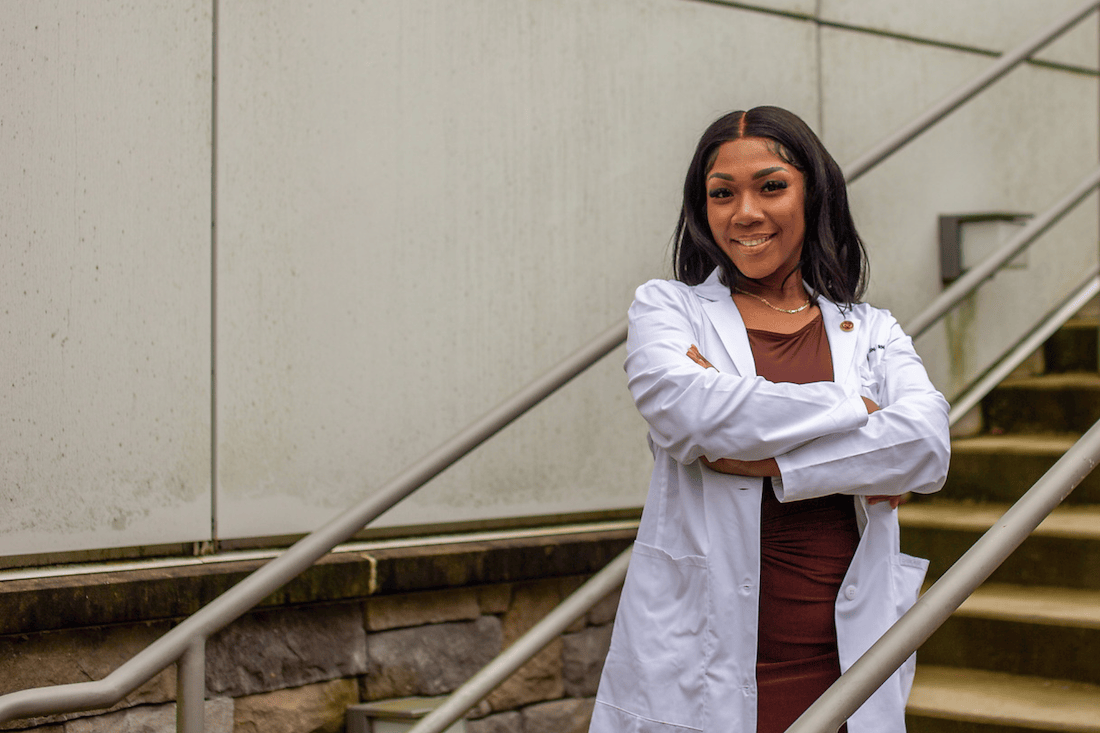
The Master of Science in Nursing (MSN) prepares registered nurses for specialized tracks or advanced clinical roles. As higher credentials and advanced education become standard in the profession, more nurses are considering master of nursing programs. By evaluating the core learning outcomes of an MSN degree, you can determine the program and pathway that best supports your career goals.
What Is an MSN Degree Designed to Help Nurses Do?
The MSN degree is a graduate program that helps registered nurses develop advanced knowledge, stronger clinical reasoning, and leadership capacity. The master's degree in nursing is more than an extension of undergraduate study — it provides direct preparation for advanced practice, with graduates learning to:
- Provide higher-level patient care
- Conduct research
- Educate nurses
- Shape public policy
Why MSN Learning Outcomes Go Beyond Clinical Knowledge Alone
By building upon an existing clinical foundation, the scope of the nursing master's degree curriculum extends beyond skills-based training. It is uniquely designed to develop clinical reasoning and judgment, improve research literacy and policy awareness, and enhance technology use in healthcare.
Graduate Nursing Education Builds a Wider Scope of Practice
MSN coursework expands on basic assessment techniques, helping nurses learn how to make evidence-based decisions and collaborate with interprofessional healthcare teams. Graduate-level study also encourages nurses to think more critically about patient outcomes and healthcare systems as a whole.
Advanced Practice Requires Both Clinical and Professional Growth
Nurses who are interested in moving into advanced practice roles need more than bedside manners and basic patient care skills. These roles require strong research-based thinking and advocacy, as well as communication and accountability — all of which are promoted within the nursing master's degree program.
Advanced Clinical Judgment
Described as one of the key nursing attributes, clinical judgment is the process by which professional nurses make decisions based on evidence, nursing theories, and patient patterns.
Moving From Observation to Higher-Level Clinical Decision-Making
The MSN program helps nursing students build upon their observational skills and engage in stronger, evidence-based reasoning that supports high-level decision-making. Students develop stronger reasoning skills related to patient assessment, diagnosis, health promotion, disease prevention, and treatment planning.
How Neumann’s Curriculum Supports Clinical Judgment
To prepare graduates for higher-level roles, Neumann offers a targeted MSN curriculum that improves students' ability to interpret patient information and make informed clinical decisions. Students are required to complete courses such as Advanced Pathophysiology, Advanced Assessment, and Advanced Pharmacology I and II.
Evidence-Based Practice
Evidence-based practice is playing an increasingly prominent role at all levels of nursing, which is why it's emphasized throughout the entire MSN program curriculum. Nurses who effectively utilize this strategic approach to patient care make decisions based on the most recently available nursing research rather than on traditional, tried-and-true methods. In graduate nursing education, this also means integrating ethical and professional advanced nursing practice behaviors through the application of national standards to deliver safe, cost-effective, evidence-based care to diverse patients.
Using Research to Guide Care
Research rests at the core of evidence-based practice. Nurses are responsible for reviewing and assessing the latest nursing research so that they can use the best available knowledge to guide patient care, health promotion, and treatment decisions. Nurses develop research literacy skills throughout the MSN degree and learn to synthesize knowledge from the humanities, sciences, and nursing to design cost-effective, evidence-based plans of care that are patient-centered and inclusive of diverse patient populations.
How Graduate Nurses Learn to Evaluate and Apply Evidence
A nursing research course is embedded into Neumann's MSN curriculum, allowing graduates to demonstrate mastery in scholarly inquiry and research-based practice to improve patient outcomes.
Through this preparation, students also demonstrate mastery in interprofessional collaboration, scholarly inquiry, and evidence-based practice to improve healthcare outcomes.
Patient-Centered Care and Advocacy
Considered a holistic approach, patient-centered care aims to provide the patient with more autonomy and input. Rather than having providers dictate treatment plans, patient-centered care encourages a valuable partnership between providers, patients, and caregivers. This approach also reflects how graduate-prepared nurses exemplify leadership, advocacy, and professionalism as essential roles of advanced practice nursing.
Designing Care Around the Needs of Diverse Patients
MSN graduates learn to design cost-effective, evidence-based care plans that reflect the needs and backgrounds of diverse populations. For example, they explore how cultural beliefs, language barriers, and socioeconomic factors can influence treatment outcomes.
Advocacy as a Core Advanced Practice Role
In addition to providing patients with comprehensive, personalized treatment, graduate-prepared nurses often take on the role of patient advocate. They may help patients navigate complex healthcare systems, communicate concerns to other providers, and ensure care decisions align with individual preferences.
Health Promotion and Disease Prevention
In advanced practice roles, nurses focus not only on treating current symptoms but also on health promotion and disease prevention. Through awareness efforts and routine screenings, advanced practice registered nurses can actively work to improve outcomes.
Supporting Wellness Across the Lifespan
Graduate nursing education strengthens health promotion skills in nurses. This involves identifying and managing risks, preventing illnesses in patients, and enhancing long-term health outcomes through sustainable treatment plans.
How Neumann’s Curriculum Supports This Outcome
Within the MSN program, a health promotion course is part of the core curriculum. This course allows students to critically examine disease prevention issues, with a focus on preventive services and population health strategies.
Ethical and Professional Nursing Practice
By prioritizing graduate nursing education, nurses can deepen their professional judgment, strengthen accountability, and learn to uphold professional standards in a wide range of clinical settings.
Applying Ethical and Legal Principles in Advanced Practice
MSN students explore the role of ethics, policy, and legal frameworks within patient care, allowing them to better understand their professional responsibility and duty to patients.
How Neumann’s Curriculum Supports This Outcome
Within the core curriculum, Neumann offers a course on health policy that helps students integrate ethical frameworks and policy standards within their scope of practice. This course emphasizes the key strategies used to influence health policy, care delivery, and patient outcomes.
Healthcare Leadership
The master's degree in nursing prepares nurses to shift their focus from clinical skill and bedside care to broader professional impact through specialized tracks and leadership opportunities.
Leadership in Advanced Nursing Roles
MSN-prepared nurses often take on more responsibility in clinical settings, giving them the opportunity to guide care strategies, support nursing teams, and help mentor newer nurses — all while enhancing patient outcomes.
How Neumann Frames Leadership in the MSN
Leadership skill development is woven into the Neumann MSN curriculum, with graduates exemplifying leadership, advocacy, and professionalism in their advanced practice roles. In addition to becoming stronger leaders, students learn how effective management strengthens both healthcare teams and patient outcomes.
Interprofessional Collaboration
With an emphasis on health promotion and lifespan care, advanced practice nursing requires ongoing collaboration within interprofessional healthcare teams.
Working Across Disciplines to Improve Patient Outcomes
MSN graduates who transition into higher-level roles need to be comfortable communicating and collaborating with physicians, nurses, specialists, and other health professionals. Strong interdisciplinary communication can support more coordinated care and reduce misunderstandings.
Why Collaboration Matters More at the Graduate Level
As nurses take on more responsibility, teamwork becomes a central part of the job. Through interprofessional collaboration, advanced practice nurses can provide safe, coordinated, and comprehensive support.
Technology and Information Systems in Nursing Practice
Nursing technology has become an essential part of evidence-based care and patient-centered practice in the modern healthcare industry. An MSN program that focuses on technology applications and information systems in nursing practice can better prepare graduates for advanced practice roles.
Using Technology to Improve Care and Outcomes
Graduate nursing students should work directly with advanced technological tools to better understand how information systems, digital technology, and healthcare applications support patient care and clinical decision-making.
How Neumann Supports This Learning Outcome
Throughout their coursework, MSN students at Neumann University work directly with technology and information systems to develop the practical and technical skills needed in today's healthcare climate. This exposure helps nurses gain confidence with everything from electronic health records to data-driven systems.
How These Learning Outcomes Differ From BSN-Level Preparation
The Bachelor of Science in Nursing (BSN) is an undergraduate degree program. BSN-level education prepares professional registered nurses for entry level nursing work, usually at the bedside. Coursework focuses primarily on bedside care strategies, while the MSN program emphasizes clinical reasoning, research-based applications, and the advanced skills needed in specialized nursing roles. Many Master of Science in Nursing programs prepare nurses for Advanced Nursing Practice.
Greater Depth in Clinical Reasoning
The MSN adds to undergraduate nursing study and emphasizes more advanced assessment, diagnosis, and treatment skills. This deeper level of preparation helps graduates evaluate complex patient conditions and respond more effectively to evolving healthcare needs.
Greater Responsibility in Leadership, Policy, and Systems Thinking
Through graduate study, nurses prepare to take on more responsibility in healthcare settings. They become more accountable for patient outcomes, play an active role in team coordination, and rely on policy awareness to drive improvement across healthcare settings.
Is an MSN the Right Next Step for You?
MSN-prepared nurses are in high demand in today's evolving healthcare landscape. This may be the right program for you if:
You Want to Build Advanced Practice Skills
If you are ready to play a more active role in assessing, diagnosing, and treating patients, then you may benefit from the MSN program. It focuses on developing stronger clinical judgment, broader knowledge, and preparation for advanced patient care roles.
You Want to Grow as a Leader, Advocate, and Evidence-Based Practitioner
If you are ready to transition into a leadership role that goes beyond clinical care, the MSN program will help you learn to advocate for patients and educate others. It also builds the leadership competencies needed for long-term professional growth.
Earn Your Nursing Master's Degree at Neumann University
The online master of nursing degree program at Neumann University offers three distinct tracks, including Family/Individual Across the Lifespan, Adult-Gerontology Primary Care, and Adult-Gerontology Acute Care. At its core, the comprehensive curriculum for the MSN program focuses on key learning outcomes that align with the needs of the healthcare industry and the evolving role of modern nurses.
Neumann University has reduced MSN tuition to $750 per credit, making it more affordable to earn your graduate nursing degree. Request more information about our online MSN program today.