APPLY
APPLY GIVE
GIVE CHALLENGE


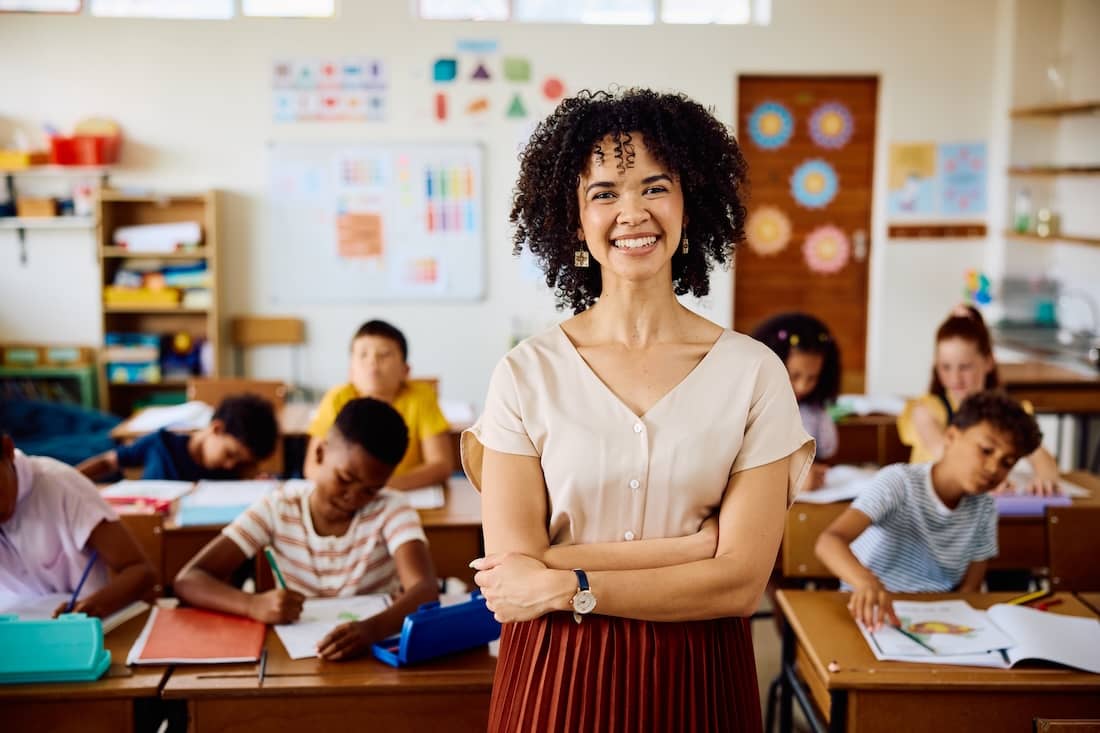
Image Credit: Getty Images
A purpose-driven elementary education extends beyond the scope of academic instruction. Today's teachers are responsible for providing students with a safe and nurturing environment that prioritizes holistic needs. In both early elementary and elementary education settings, teachers use a range of instructional approaches to ensure academic growth and promote social and emotional development.
Teaching Diverse Learners Requires More Than One Instructional Approach
Elementary classrooms contain a wide range of students, including those with academic, developmental, behavioral, and social needs. Meeting those varied needs requires teachers to be flexible and responsive educators.
Diverse Learners Bring Different Strengths and Needs
The term “diverse learners” does not refer to one specific student population; rather, it encompasses the broad needs of all students. Each individual may differ in academic readiness, learning style, communication needs, behavior, and support requirements. As a result, educators have to recognize the value that each student brings to the classroom while simultaneously supporting their different needs.
Inclusive Teaching Starts with Adaptability
In modern classrooms, a one-size-fits-all approach is not effective. Creating a classroom environment in which every student feels welcomed and represented requires adaptability. For example, teachers might adjust instructional techniques and classroom practices to accommodate different learning styles.
Why Early Elementary and Special Education Preparation Work Well Together
Not that long ago, elementary teaching and special education were considered to be two distinct pathways. Today, however, there is a greater push for inclusion, and now over 95% of students with special needs are enrolled in traditional schools. Educators who pursue a dual certification track that allows them to earn a special education certification and early elementary certification may be better equipped to meet the needs of multiple learners in their classrooms.
Early Learning Classrooms Require Broad Instructional Awareness
In early learning environments, teachers are just beginning to discover the strengths and needs of their students. While they are charged with building a strong academic foundation, they also have to be responsive to various academic and behavioral needs. For example, an educator may need to support a child who is developing literacy skills at a different pace than their peers while also helping another student build social-emotional or self-regulation skills.
Special Education Preparation Strengthens Inclusive Practice
Teachers who plan to work in general education classrooms still benefit from special education training. This targeted preparation helps educators better support students with varied learning needs across classroom settings and can lead to improved classroom management skills. For example, teachers may learn strategies for differentiating instruction, adapting classroom activities, or supporting students with individualized learning plans while maintaining an inclusive learning environment.
Core Skills Educators Need to Support Diverse Learners
At the beginning of the school year, teachers welcome many students, some of whom may have diverse learning needs, into their classrooms. By blending practical classroom management skills with creativity and ingenuity, teachers can help ensure that all their students have the learning experience that they deserve.
Differentiated Instruction
Differentiated instruction refers to a tailored instructional approach that involves adapting content, activities, and support based on how each student learns best. Through this type of instruction, educators can help multiple students progress toward the same goal while ensuring individual needs are still met.
Classroom Responsiveness
A responsive teacher is one who is able to adapt in real time. The most effective educators are constantly monitoring the needs of students and adjusting instruction and pacing accordingly. For example, if a child seems visibly frustrated by an assignment, they may encourage them to take a break and provide one-on-one support once they feel more calm.
Observation and Assessment
In a classroom of diverse learners, educators need to monitor each student's progress and identify areas where additional support may be needed. Modern learning environments are increasingly data-driven, requiring teachers to develop strong observation and assessment skills. Teachers can use classroom observations alongside formal assessment tools to identify learning needs, adjust instructional strategies, and provide targeted support when appropriate.
Inclusive Teaching Also Depends on Classroom Environment
Strategic instructional approaches provide a strong foundation in a classroom of diverse learners, but inclusive teaching extends beyond lesson planning alone. Educators must also create learning environments where all students feel respected, included, and able to participate meaningfully in classroom activities.
Students Need Classrooms Where They Can Participate and Belong
Teachers are responsible for cultivating a positive classroom culture. When students feel respected, acknowledged, and supported, they are more likely to develop a sense of belonging within the school community. Inclusive environments also encourage students to participate actively in classroom discussions, activities, and learning experiences.
Teachers Need Strategies for Working Across Different Needs
While ensuring that all students can access classroom content is important, an inclusive classroom also supports positive student engagement and encourages meaningful participation from every learner. Teachers can create a culture of belonging through strategic approaches such as:
- Creating a morning routine that includes classroom greetings
- Designing a classroom that represents the cultures, backgrounds, beliefs, and traditions of all students
- Implementing buddy programs that connect students who may not otherwise interact
Culturally Responsive Teaching Is Essential in Diverse Elementary Classrooms
Culturally responsive teaching is the practice of using students' characteristics and personal perspectives as strategic instructional tools. In today's diverse elementary classroom environments, culturally responsive teaching is critically important for academic growth and personal development.
Diverse Learners Also Bring Diverse Backgrounds
Diverse learners bring unique lived experiences and cultural differences that should be celebrated by teachers and fellow students alike. Recognizing the beauty of this diversity and encouraging varied perspectives can enrich learning experiences.
Responsive Teaching Helps Educators Reach More Students
When teachers connect instruction to students' backgrounds, experiences, and learning needs, they can create more meaningful and effective learning opportunities. Students who feel seen and valued in the classroom may be more engaged in their learning and better equipped to overcome challenges.
Preparing for Real Classrooms Means Learning Through Practice
Connecting theory to actual classroom environments requires practical experience, which is why student teaching is essential in any early elementary education or special education degree program.
Student Teaching Is Part of Learning to Support Diverse Learners
Student teaching provides educators with an opportunity to practice working with students in a safe, structured setting. Throughout the experience, future teachers can practice applying inclusive strategies with actual students while receiving guidance from an experienced educator.
Neumann University's Master of Science in Education with Dual Teaching Certification (MS in Education) program includes a required student teaching component, letting educators gain valuable experience while building key skills.
Practice Helps Connect Theory to Day-to-Day Teaching
Experiential learning opportunities, such as student teaching, help future educators build confidence by applying classroom concepts in real educational settings. These experiences allow them to refine instructional strategies, strengthen classroom management skills, and gain firsthand experience working with diverse learners.
How Neumann’s Dual Certification Track Supports This Preparation
Neumann University's MS in Education online with Dual Teaching Certification Track supports career preparation for educators who want to work in early elementary, special education, or general education settings. By integrating special education training into the graduate degree curriculum, this program prepares teachers to meet the needs of diverse learners, no matter which classroom they are teaching in.
A Program Designed for Career Changers Entering Teaching
Created for graduate students seeking a career change into teaching, this program provides a comprehensive overview of the instructional techniques and classroom management strategies needed in modern learning environments. It leads to Pennsylvania licensure in Early Elementary (PK-4) and Special Education (PK-12).
Preparation for Inclusive and Culturally Responsive Classrooms
Graduates are able to create culturally responsive classroom environments. More specifically, this program teaches students to adapt pedagogy to support inclusivity and encourages them to balance their teaching goals with the needs of multicultural learners.
An Online Program with a Clear Certification Focus
The coursework for this program is fully online, but the dual certification pathway does include required student teaching hours and involves state testing for certification. It is a flexible yet structured program with a clear focus on career preparation.
Teach Diverse Learners with a Dual Teaching Certification from Neumann
Neumann University's online Master of Science in Education with Dual Teaching Certification in Early Elementary and Special Education provides educators with a comprehensive base that they can build upon throughout their careers. Within the MS in Education online program, students review and analyze cutting-edge theory and learn to apply it to teaching practices in real-world classroom settings. Graduates are prepared to serve a diverse range of students across early elementary education, special education, and general elementary education settings.
Request more information about our MS in Education with Dual Teaching Certification, and apply to Neumann University today.