APPLY
APPLY GIVE
GIVE CHALLENGE


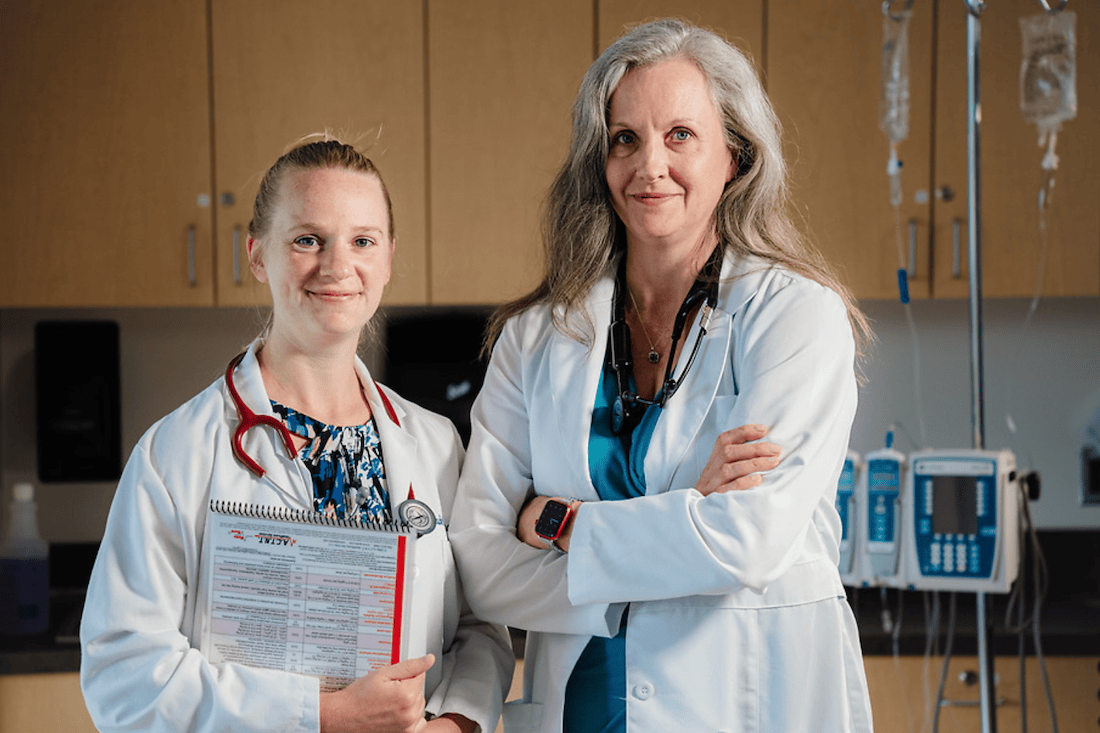
As the healthcare industry advances and patient care becomes more complex, the need for skilled and knowledgeable nursing leaders continues to grow. Specifically, the industry is seeing an elevated demand for nurses who have earned Doctor of Nursing Practice (DNP) degrees.
In response, the number of students enrolled in DNP programs across the country has also risen — from about 41,800 in 2023 to over 42,700 in 2024. If you've been thinking about returning to school to advance your nursing education, knowing what to expect from a DNP program and where it could take you may help you decide on next steps.
What Is a DNP Degree, Anyway?
According to the American Association of Colleges of Nursing (AACN), "the DNP is designed for nurses seeking a terminal degree in nursing practice and offers an alternative to research-focused doctoral programs."
A Practice-Focused Doctorate in Nursing
More specifically, a DNP is a practice-focused program that prepares nurses to apply research directly to their own practice. While the DNP curricula can vary from one program to the next, these programs generally teach nursing professionals how to lead healthcare systems, drive quality improvement, and influence patient outcomes at scale.
The Highest Level of Clinical Nursing Education
For advanced practice nurses and nurse leaders, the Doctor of Nursing Practice is considered a terminal degree. In other words, it represents the highest level of education available in the field.
What Does a DNP Degree Prepare You to Do?
From leading healthcare teams to influencing policy and driving patient outcomes, a DNP degree can prepare ambitious nursing professionals to make a real difference in the field.
Lead Healthcare System Improvements
Many DNP-educated nurses will transition to leadership roles where they carry out quality improvement initiatives while implementing the latest evidence-based practice and research. In these leadership positions, nursing professionals can have a direct impact on patient safety and outcomes.
Translate Research Into Practice
Rather than generate original theoretical research in the healthcare field, DNP-educated nurses may effectively translate that research into everyday practice. This, in turn, can enhance quality of care while potentially improving patient outcomes.
Influence Policy and Organizational Change
Do you feel passionately about advocating for organizational change within the healthcare industry? DNP-prepared nurses are often among the frontlines of those shaping institutional policy, revising regulatory compliance standards, and fostering greater interdisciplinary collaboration.
DNP vs. PhD in Nursing: What’s the Difference?
It's not uncommon for a DNP degree to be confused with a PhD in Nursing — but for those considering a return to school to advance their nursing education, it's important to understand the distinct differences between the two.
Practice vs. Research Focus
Although both a DNP and a PhD in Nursing are doctoral degrees, they have different focuses. A DNP centers on clinical leadership and practice improvement, while a PhD in Nursing focuses more on carrying out field research and developing theories.
Career Outcomes
As you might imagine, the potential career outcomes for a DNP can differ from those of a PhD. Some common roles among DNP graduates include:
- Advanced clinical leader
- Executive nurse leader
- Healthcare systems strategist
Meanwhile, common career paths for graduates with a PhD in Nursing tend to be more on the academia/research side of things. Examples include:
- Academic researcher
- Principal investigator
- Nursing faculty
Project vs. Dissertation
Typically, DNP programs culminate in a practice-based scholarly project that is very hands-on — giving students the opportunity to put abstract nursing and healthcare theories into practice.
A PhD program, on the other hand, often ends with a dissertation that involves completing, publishing, and defending original field research that contributes to the field.
Who Benefits Most from a DNP Program?
Are you a good fit for a DNP program? While there's no "one-size-fits-all" test for determining whether a DNP education is right for you, there are some nursing professionals who tend to benefit the most from this type of education.
Advanced Practice Registered Nurses
Nurse practitioners, clinical nurse specialists, and nurse anesthetists seeking expanded leadership or systems-level impact are often excellent candidates for a DNP program.
Nurse Leaders and Administrators
Likewise, nursing professionals who are already serving in management or executive roles may choose to enroll in DNP programs as a means of developing their systems knowledge while gaining doctoral credentials.
Nurses Seeking System-Level Influence
Finally, nursing professionals who are simply interested in being part of the conversation regarding healthcare transformation, policy impact, and large-scale quality improvement could benefit from the versatile skills gained in a DNP program.
Career Opportunities with a DNP Degree
What can you do with a DNP degree? While a degree alone doesn't automatically translate to a specific job, DNP-educated nursing professionals often find themselves in advanced leadership roles that range from healthcare policy advisor all the way to Chief Nursing Officer (CNO).
Chief Nursing Officer or Executive Roles
With a terminal degree in nursing, it may be possible to advance into executive-level roles, such as chief nursing officer. In these high-level roles, DNP-educated nursing professionals make strategic leadership decisions, ensure regulatory compliance, and oversee everyday operations and finances.
Clinical Program Director
Clinical program directors in nursing often have DNP degrees and are responsible for the oversight of specific clinical departments in hospitals and other healthcare facilities. These professionals apply their leadership skills, decision-making, and policy development knowledge to align clinical programs with higher-level goals.
Healthcare Policy Advisor
Over time, healthcare policies must adapt to the evolving needs of patients. Healthcare policy advisors analyze, research, and develop new policies that meet stakeholder and patient needs. They also track proposed policies and bills throughout the complex legislative process.
What Makes a DNP Degree Online Appealing to Working Nurses?
There's no denying that a Doctor of Nursing Practice is a rigorous program that requires a fair amount of time and dedication to complete. For working professionals and nurses with other important obligations, the thought of returning to school to complete a DNP may seem overwhelming — but with the increasing availability of online DNP programs, this level of education has become more accessible than ever.
Flexibility for Practicing Professionals
Today, many DNP programs are offered with at least some online component that allows students to work at their own pace. Rather than having to set aside dedicated time each week to commute to a physical campus, these students can log in and complete their coursework at convenient times.
The flexibility offered by a DNP program with an online component makes it easier for busy nursing professionals to balance the demands of leadership and clinical roles, family responsibilities, and doctoral study while minimizing the risk of burnout.
Immediate Application to Clinical Practice
Students who continue working through their DNP programs can apply systems-level improvements and course concepts directly within their own organizations. These opportunities for hands-on practice and application may help boost learning comprehension and enhance recall.
Is a Doctor of Nursing Practice Right for You?
Only you can decide whether a DNP could be the right path for your educational and career journey. Rather than making a rushed decision, it's a good idea to engage in careful and thoughtful reflection beforehand.
Evaluating Your Career Goals
One of the most important considerations is your long-term career goals. Where do you see yourself in five years? How about ten years? If you envision yourself in a role where you're influencing nursing or healthcare at a direct system level, then a DNP could be the right path for you. On the other hand, if you see yourself contributing to the field through independent research, then you may be better suited for a PhD in nursing.
Assessing Readiness for Doctoral-Level Work
Consider your current readiness for the rigor and demands of a doctoral-level program. Even with the flexibility of an online program, completing your DNP requires time, scholarly engagement, and leadership ambition. While most DNP programs are designed to be completed in about three years, it’s still a significant obligation that shouldn't be taken lightly.
Advancing Nursing Leadership Through the DNP at Neumann University
The future of nursing is counting on knowledgeable, ambitious, and dedicated nursing professionals to lead new generations and advocate for policies that support patients' evolving needs. If you're serious about taking the next step toward a terminal degree in nursing, it may be time to explore Neumann University's Doctor of Nursing Practice.
This fully online, 34-credit DNP program focuses on evidence-based practice, leadership, healthcare policy/advocacy, and interdisciplinary collaboration to prepare students for high-level roles in healthcare. Reach out to our team to learn more about our DNP program or get the ball rolling today by filling out an online application for admission. You can also view the DNP in our course catalog.